
Arctic Opposites
Arctic Opposites takes the visitor from one extreme to another. Put on your imaginary snowshoes and travel from the polar night to the bright midnight sun.
Arctic Opposites is a science-based exhibition by the Arctic Centre at the University of Lapland that draws on up-to-date Arctic research. In the science centre, you will explore the Arctic through experiences from far away in space and up close. The renewed exhibition Arctic Opposites at the Arctic Science Centre opened in December 2024.
Arctic Opposites combines science, experience and stories in a way that the whole family can enjoy. The exhibition has five main themes: Welcome to the Arctic, Cryosphere, Eight Seasons, Living Arctic and Exploring the Arctic.
ARCTIC OPPOSITES
- Arktikum Science Centre Pohjoisranta 4, Rovaniemi
What will you experience?

Aurora Theatre
You can experience the northern lights in any weather. Paint your own auroras in the sky and listen to its music.
The world of snow and ice
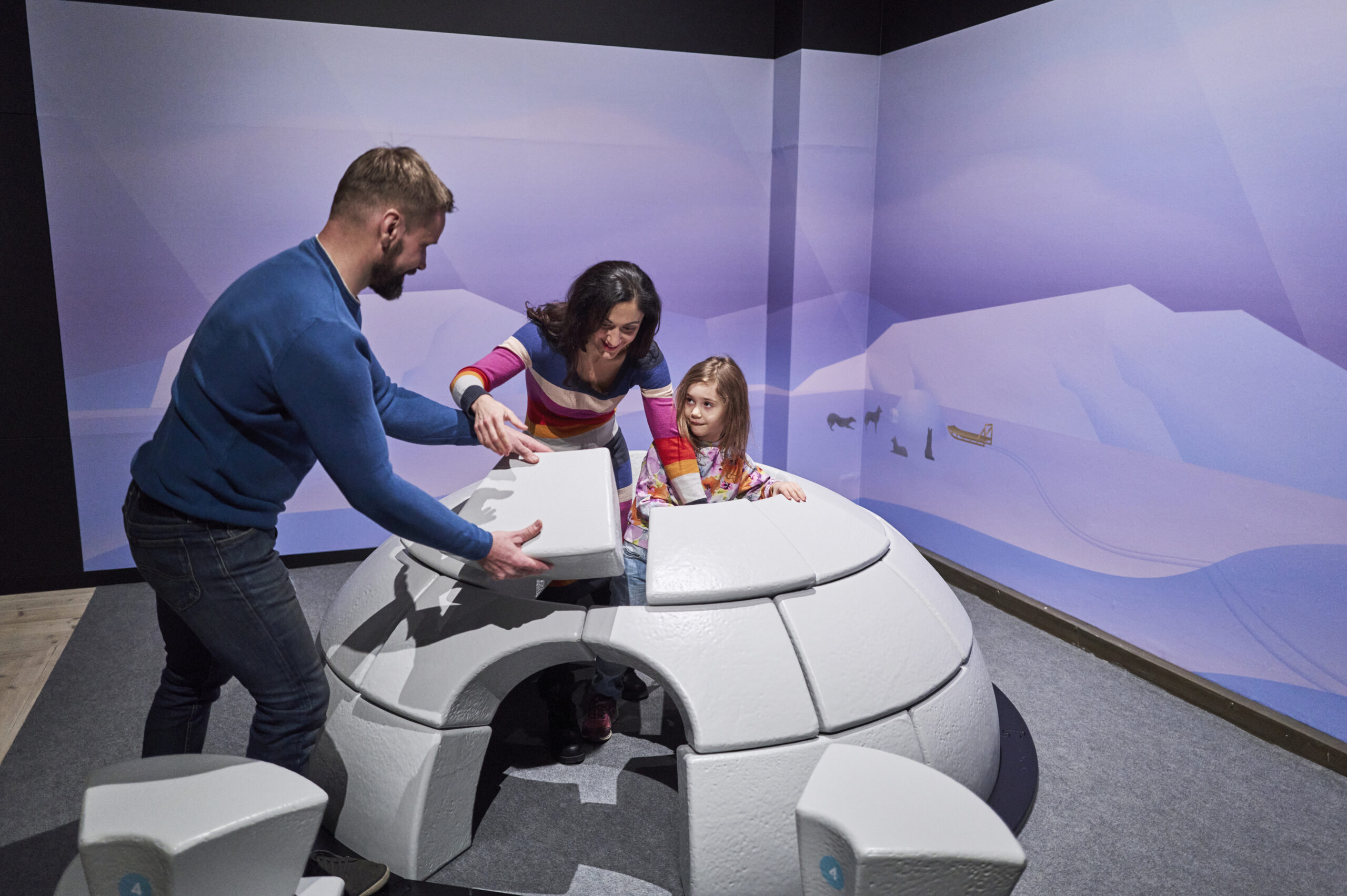
Find a hundred Finnish words for snow and learn how the sea ice impacts the whole planet. Build together an igloo.
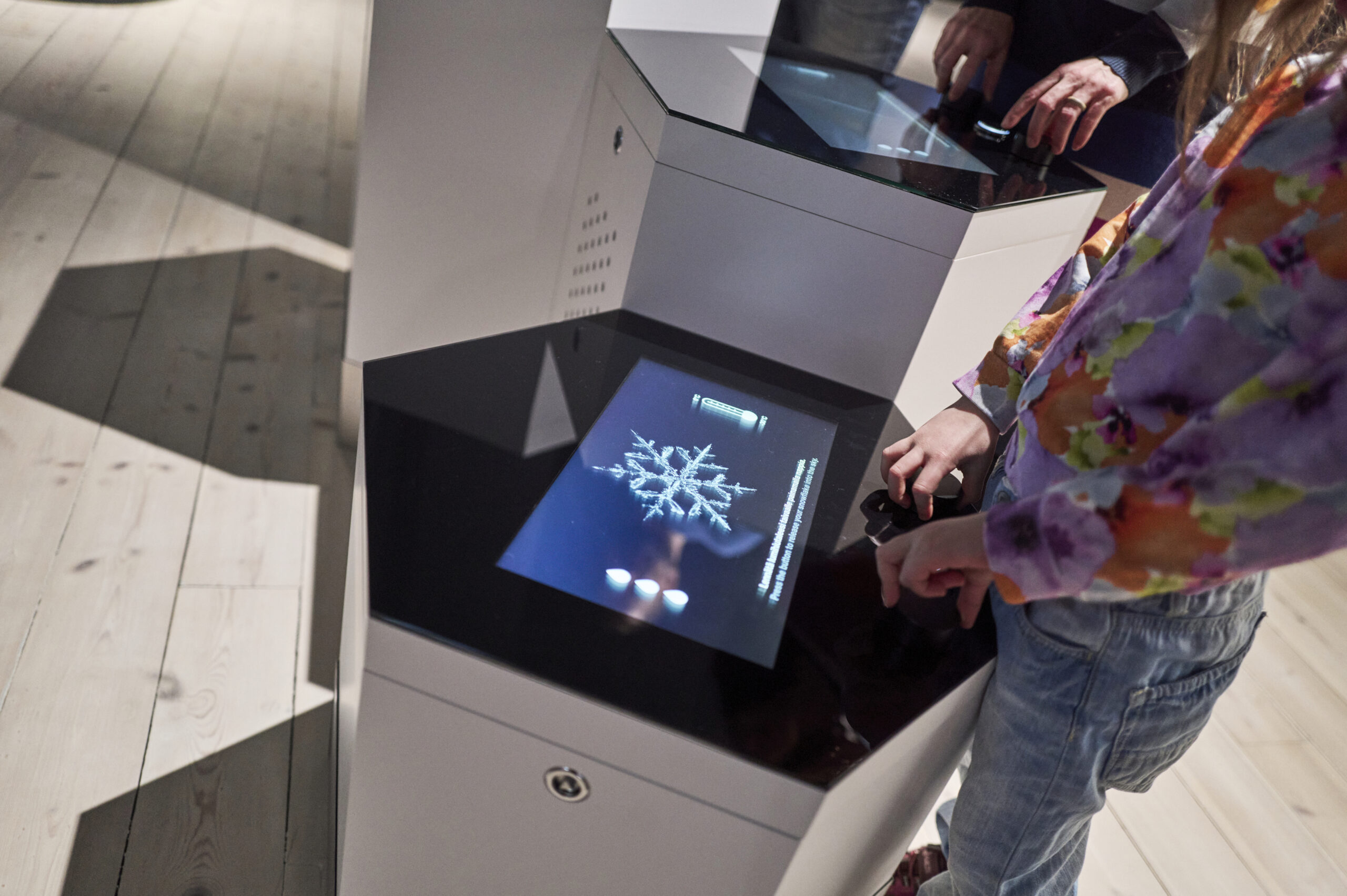
Create your own snowflake
Design your own unique snowflake and send it to the sky.
Arctic nature and life
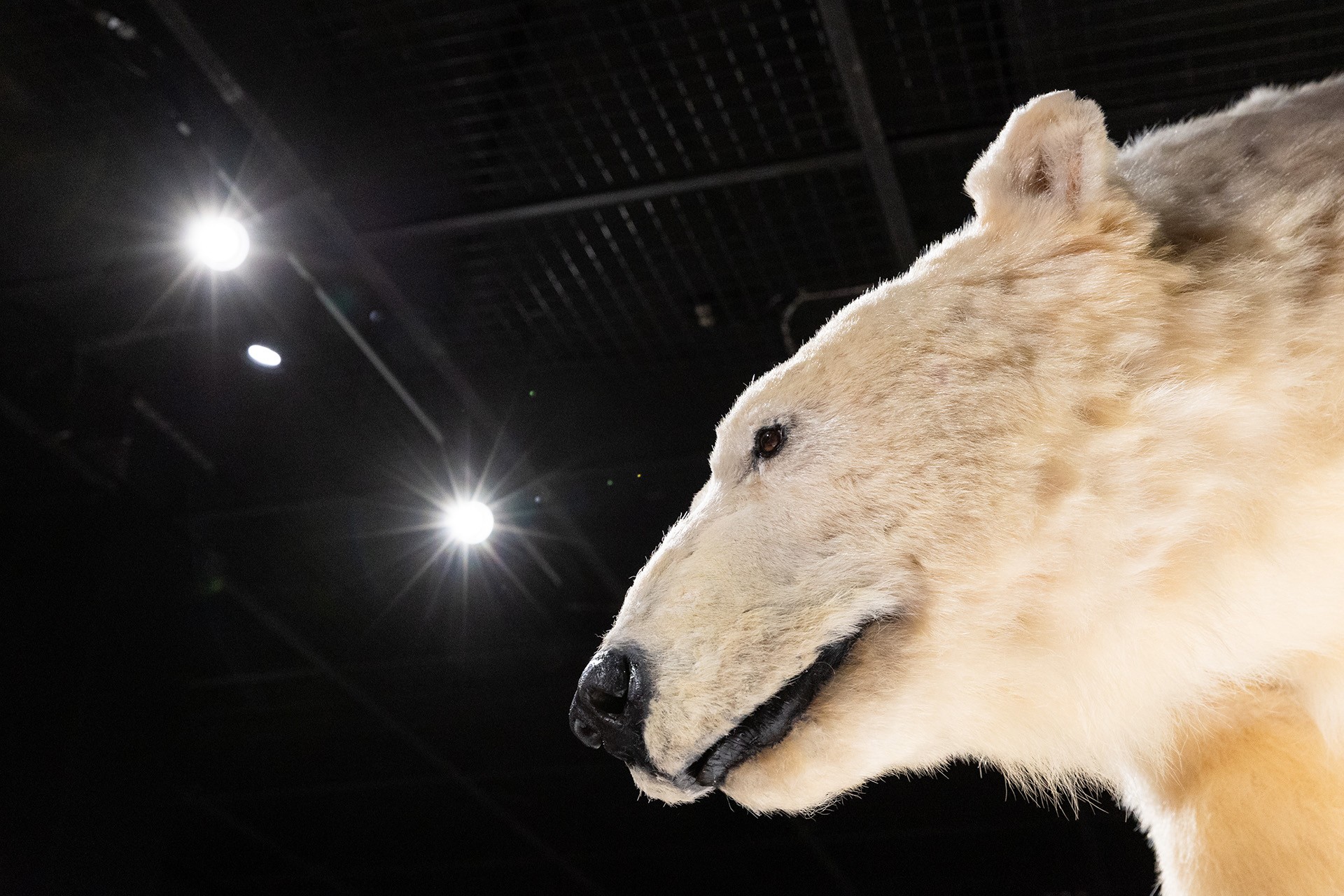
Meet the Svalbard reindeer, arctic mosquito and glacier buttercup. Walk beside a woolly mammoth. Take a peek at the everyday life of the people in the Arctic and learn the ways how people and nature have adapted to extreme conditions.
Arctic Centre

The Arctic Centre of the University of Lapland is a science centre and an international research institute. Through high-quality research, science communication, and science education, the centre provides a comprehensive understanding of the Arctic region.