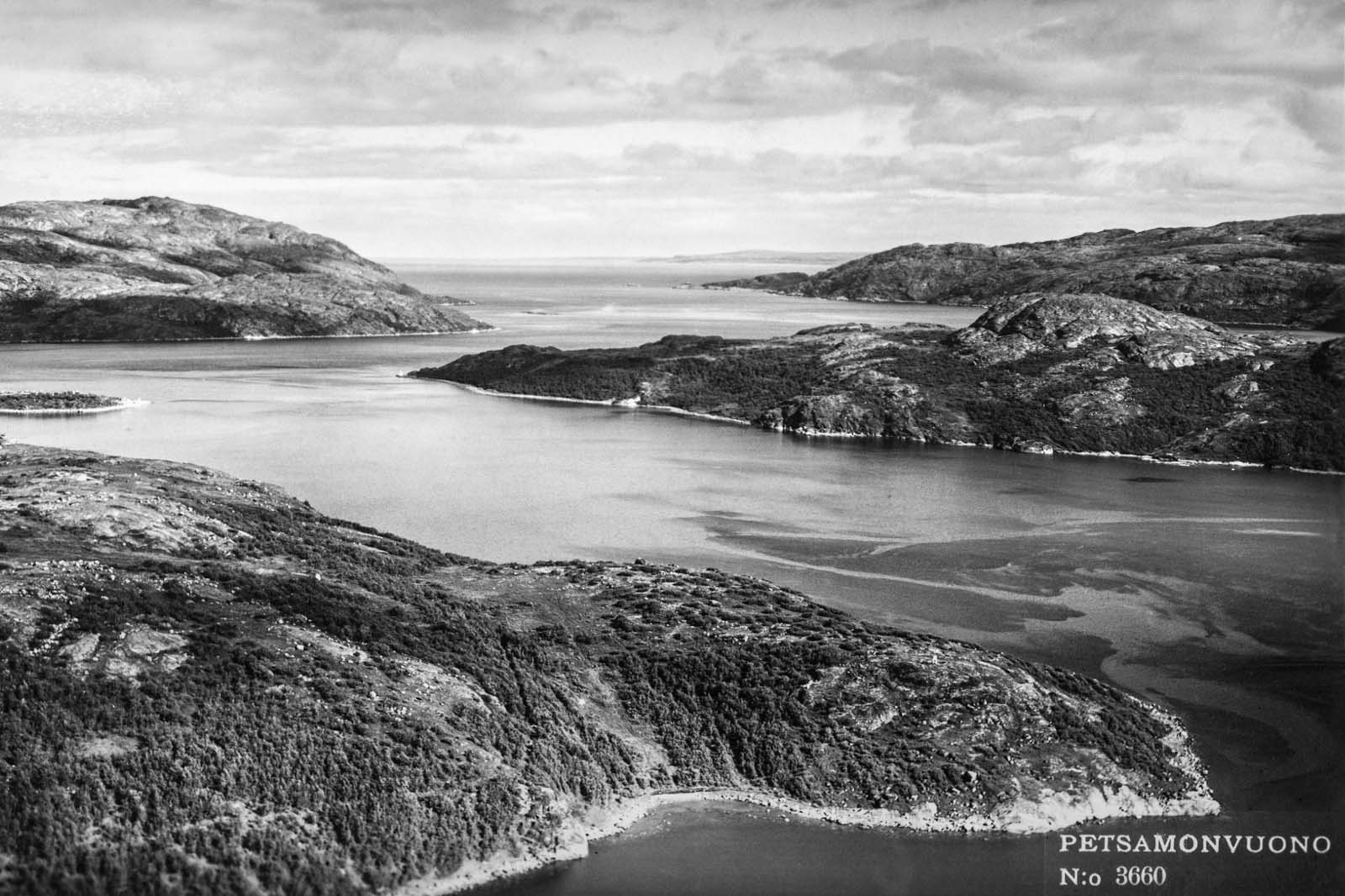

Finland on the coast of the Arctic Ocean
Pechenga (Petsamo in Finnish) was a part of Finland from 1920 to 1944. In that short but intense period of time, many financial and cultural changes took place in that area. The history of Petsamo is an intriguing and significant part of the history of independent Finland.
The era between the two World Wars was an era of heated construction, intense entrepreneurship, success and failure. Petsamo had high birthrates, and it was an exceptionally attractive migration area across the whole Finland. The population was attracted by new employers in the tourism and mining industry, as well as organised open ocean fishing.
Prompt shifting of social conditions was typical for Pechenga. There were a few large industrial companies in Pechenga, such as markets, fishing factories, brick factory, nickel mine of Kolosjoki and the harbor of Liinahamari. Furthermore the rising standard of living brought special boutiques and cafés to the area. All this happened alongside to heavy habitation, building construction and clearing of farms. Petsamo didn’t want to be left behind by the rest of Finland.
Special features of the Pechenga area were, among others, natural conditions and the proximity of international borders. The sea and vast changes of seasons set the pace of industrial activity and lives of inhabitants of the area. For the residents of Pechenga, simultaneity and seasonality of different livelihoods was essential. In the springtime and fall, focus was on fishing, whereas it was on farming in the summer and reindeer herding and other jobs in the winter.
Petsamo
- Province Lapland
- District Petsamo District
- Municipality number 591
- Administrative centre Parkkina
- Established 1920
- Disestablished 1948
- Population 5,102
- Population density 0.5 inhabitants/km²
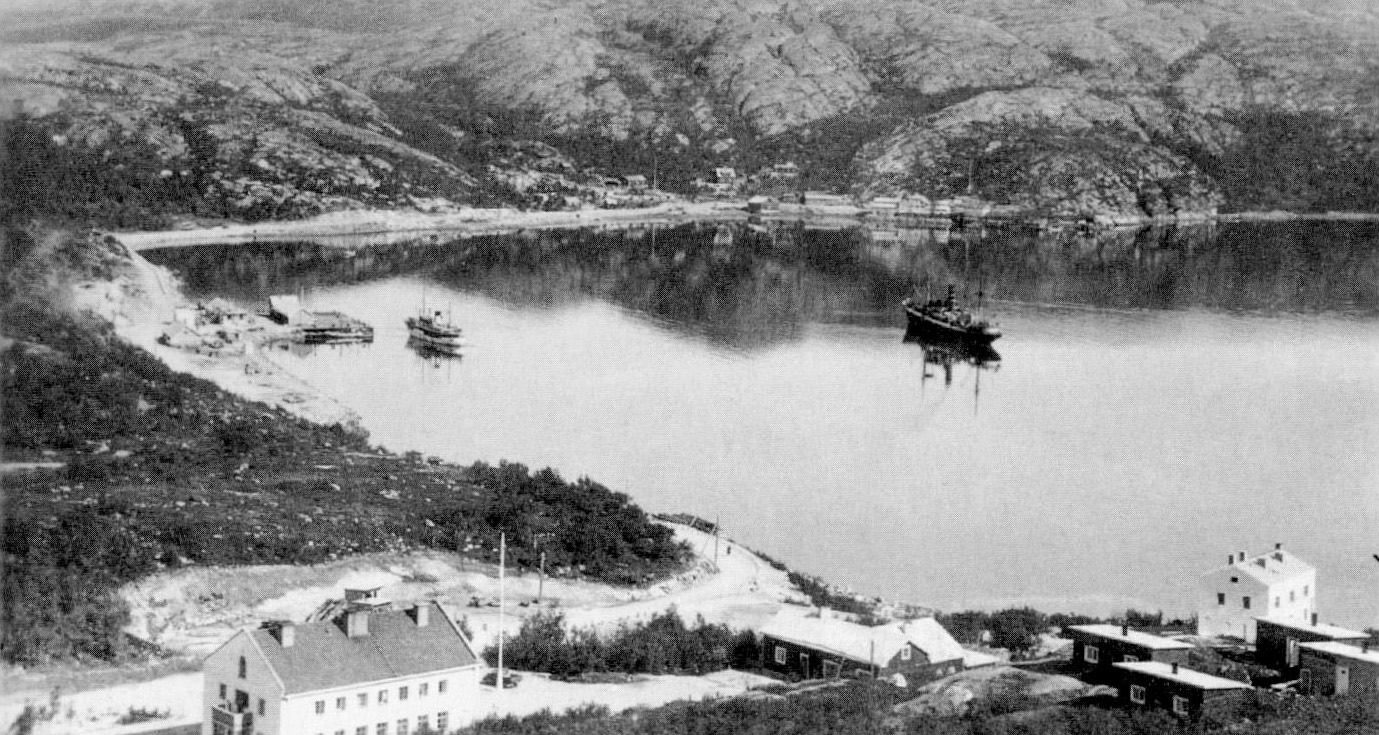
1920–1944
The diverse population, with varying lifestyles and languages, brought cultural richness to the region. The inhabitants of the Petsamo area were characterized by both the simultaneous pursuit of multiple livelihoods and a seasonal lifestyle.
In addition to being a pride of its time, 531 km long the great Arctic Ocean Highway leading to Pechenga was financially and politically significant, because Liinahamari was the only port in Finland that didn’t freeze during winter time. The highway also became a tourist attraction.

The new Petsamo-exhibition not only displays different sources of livelihood in the area, but the vivid cultural life. Exhibition combines natural environment, fishing and other sources of livelihood with cultural diversity.
The exhibition features plenty of archive materials, photos, and artefacts from the collection of the Regional Museum of Lapland.