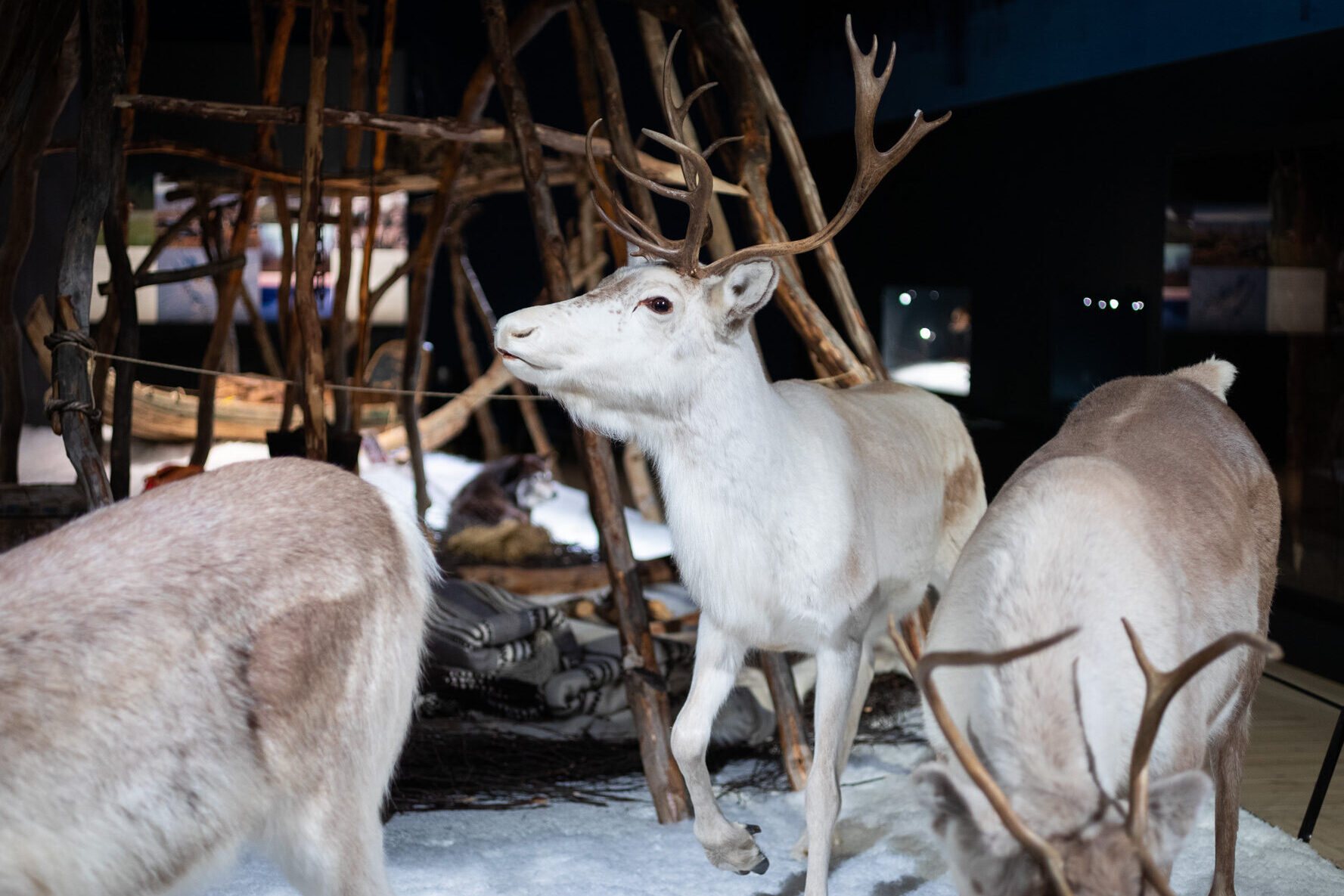
Northern Ways
Finland’s northernmost and largest province, Lapland has been home to permanent settlements and a broad network of northern peoples for thousands of years.
Lapland has always attracted visitors, each of whom has left their mark there in one way or another. The Regional Museum of Lapland includes exhibitions that illustrate the history of Lapland, its cultures, nature, and other contemporary themes.
In this permanent exhibition you will see and hear the stories of the people and personalities that have had great influence in Lapland. Also on display, is a thorough presentation of information about the animals and nature, as well as an overview of the stages of Lapland’s history from ancient times until present day.
The exhibition is divided regionally into three parts: Rovaniemi, Southern Lapland and Upper Lapland. Familiarize yourself with Rovaniemi’s markets, the Lapland War, occupations and livelihoods in the north, unique natural characteristics, reindeer herding, as well as the Sámi people and the Petsamo region.
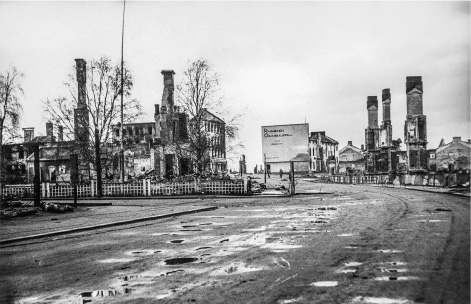
The Lapland War
The Lapland War, 1944–1945, left both psychological and physical marks on the region. The destructive power of the Lapland War is easily understood upon observation of the scale models depicting Rovaniemi before and after the war.
Petsamo
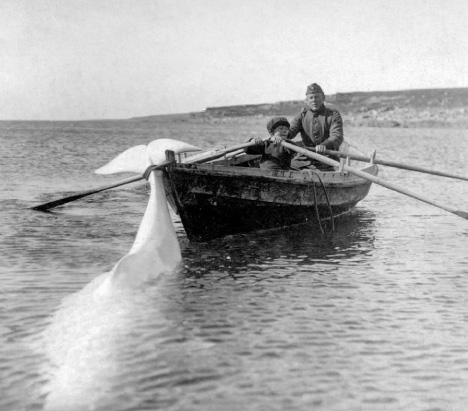
Petsamo was part of Finland from 1920 to 1944. During that relatively short but intense period, the area underwent many significant economic and cultural changes. The history of Petsamo is a fascinating and important part of the history of independent Finland.
Sámi culture
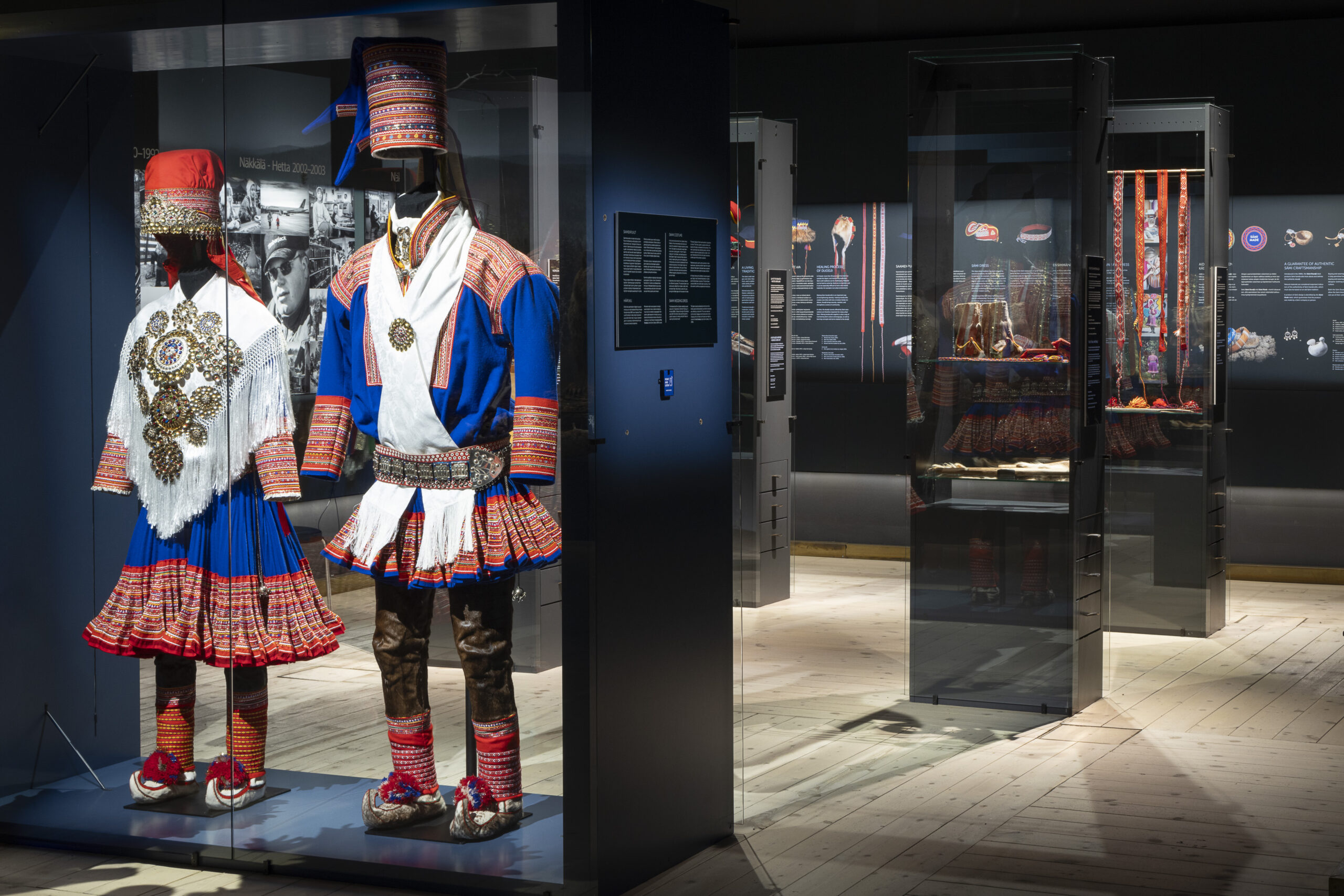
The Sámi are the only indigenous people within the European Union. The area inhabited by the Sámi is called Samiland (Sápmi). It consists of the northern parts of Finland, Sweden, Norway, and Russia.
Nature
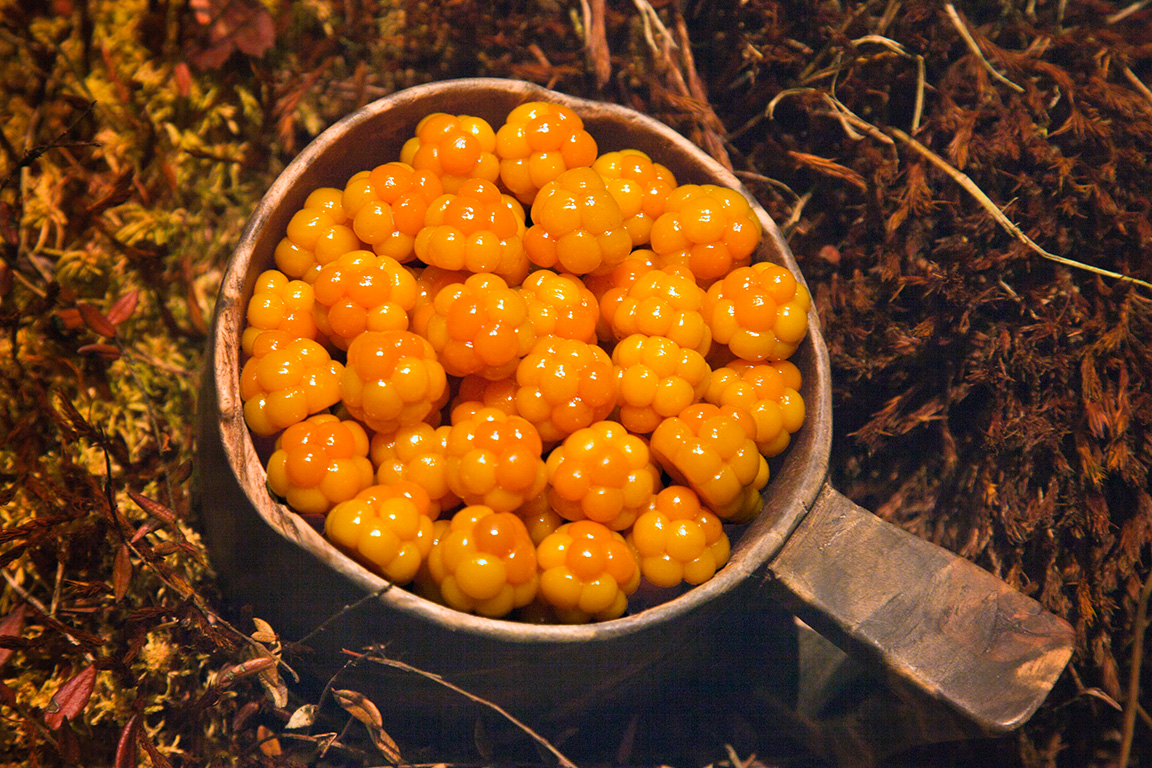
Lapland has always lived with a strong reliance on nature. Sustenance and food have been obtained from the offerings the wild could provide, such as berries, fish and larger animals like moose.
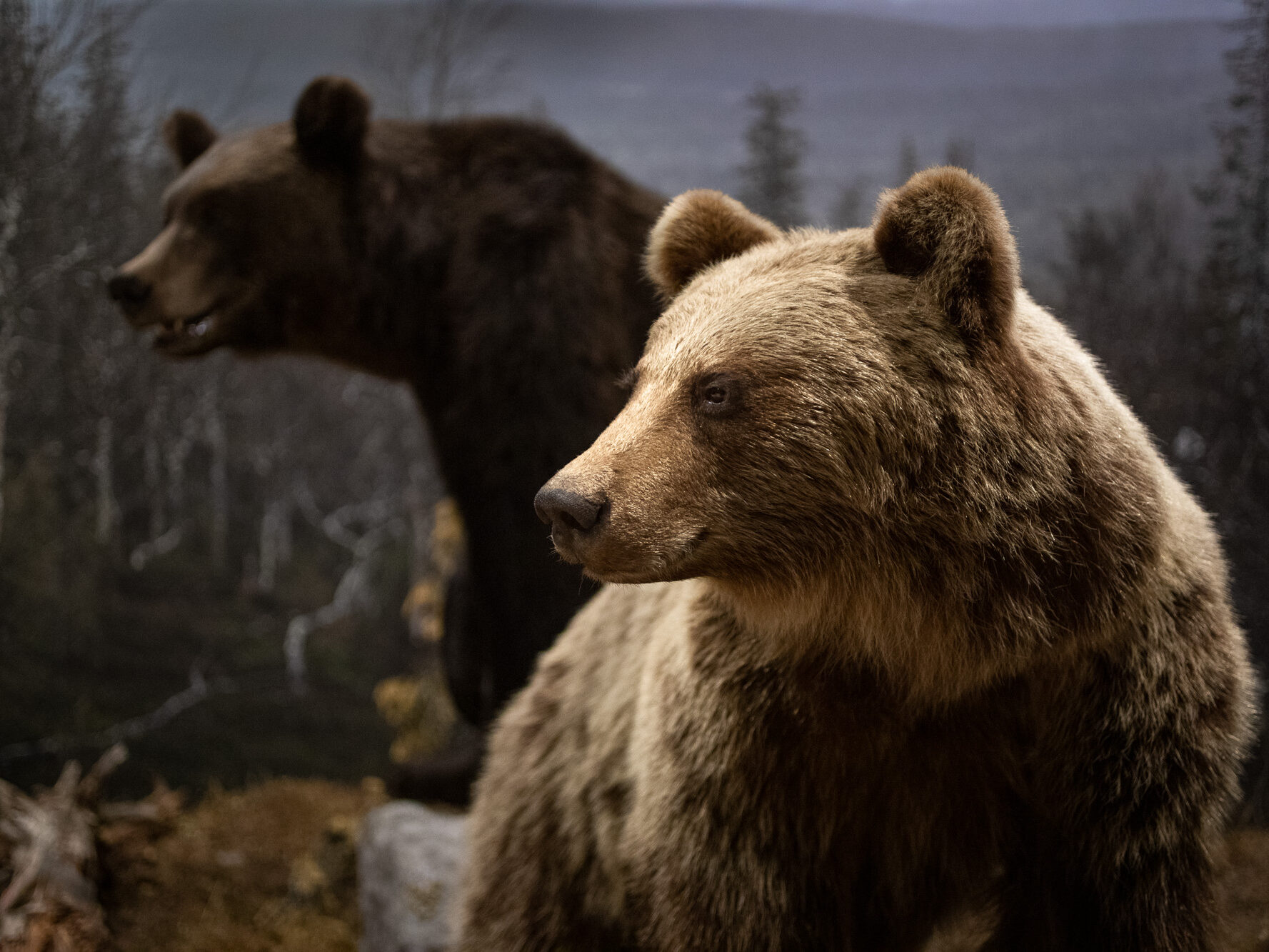
Brown bear
The clumsy, teddy-like appearance of the brown bear is deceiving, as in reality the bear is an agile animal that can swim, dive, climb, and move effortlessly in a variety of terrains. The brown bear can move almost silently as well. It is also a fast-moving animal and can accelerate to full speed in just a few powerful strides. During the winter hibernation, the brown bear’s body functions slow down and its body temperature decreases. This lowers its energy consumption, and the bear can hibernate for up to seven months using the energy stores accumulated during the summer and autumn.
Reindeer
Traditionally reindeers were followed over distances of up to hundreds of kilometers, depending on their annual cycle. Each reindeer has an owner and each owner has his own reindeer sign. Reindeers are usually rounded up for calving around Midsummer, and calving lasts for two to three weeks, after which they are released back to summer pastures. In the autumn, the reindeer are gathered together again for separation. This is when the reindeer are selected to be slaughtered and those that will survive.